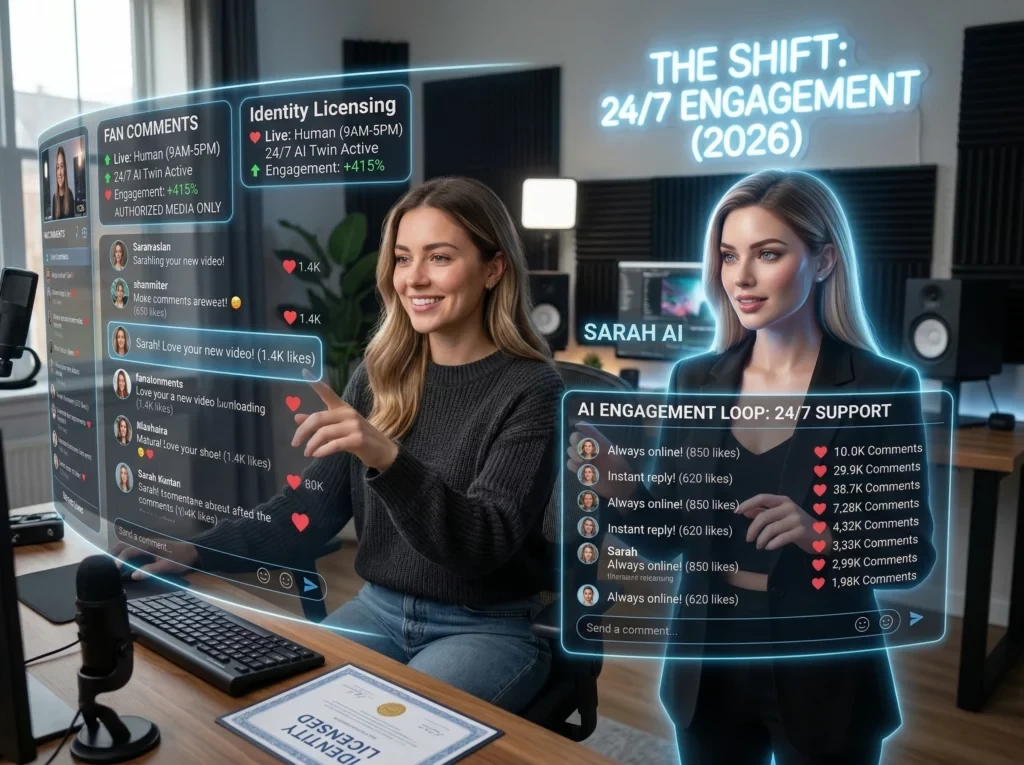
Posting content and waiting for results no longer works. In 2027 the creator economy has matured into a structured industry, and creators at every stage, from Millennial digital nomads to Gen Z social natives, are finding that the rules have changed. Four shifts stand out for anyone building income streams from home.
AI Likeness Licensing: Selling Identity, Not Just Time
For years, creators sold their time: a video, a post, a sponsored mention. Now some are licensing their digital identity. With synthetic media improving quickly, established creators can license an AI-cloned voice or a digital avatar to brands, which lets their likeness appear in places they cannot be personally.
This brings real risks. Digital identity theft and disputes over who owns biometric data are growing concerns, so intellectual property protection matters more than it did a few years ago. Read any licensing agreement closely, and consult a qualified lawyer before signing away rights to your voice or face.
The commercial direction is also changing. Instead of one-off sponsored posts, creators are looking at longer arrangements: equity partnerships and long-term likeness licensing agreements that pay over time.
Treatonomics: Small Purchases and Gen Alpha
Gen Alpha, the first generation to grow up with AI in daily life, is changing how audiences spend. These younger audiences take part in the content they follow through social gaming and community culture rather than watching passively.
One result is a pattern often called Treatonomics: small, affordable purchases such as custom skins, exclusive chat badges, or limited-edition physical items. Each costs little, so the buyer hesitates less, and each gives the buyer a sense of belonging to a community.
For creators, the practical lesson is to add low-priced offers alongside larger ones. Relying only on viral ad revenue leaves your income exposed to every change in reach, while a spread of small purchases from a loyal community is steadier.
Audience Efficacy: Why Follower Counts Matter Less
Brands are asking harder questions than “how many followers do you have?” They want to know whether your audience takes action, and whether your content produces sales they would not have made otherwise. This is often called incrementality. They also value first-party data, meaning information you collect directly from your audience.
That changes what you should own. Social platforms control your reach, and they can change their terms or restrict your account at any time. An email list, an SMS list, or a private community gives you a direct line to your audience that no platform can switch off.
This is why gated communities and niche authority are gaining ground. A creator who is known for something specific can earn more from a small, engaged group than from a large, indifferent one. If you are choosing where to focus, our guide on building sustainable income as a creator covers strategies that suit this approach.
AI Content Fatigue and the Return of the Human Creator
Generative AI has lowered the cost of producing content, and audiences have noticed the flood of generic, mass-produced material. Many are turning toward longer, more detailed videos made by people with real perspective: unpolished, specific, and personal.
AI tools still have a place in your workflow, particularly for research, drafts and repetitive tasks. Our rundown of AI tools for new creators shows where they help most. The difference comes from what you add: your opinions, your experience, and your willingness to say what you actually think. A language model can imitate that, but it cannot have it.
Creator Questions Worth Answering
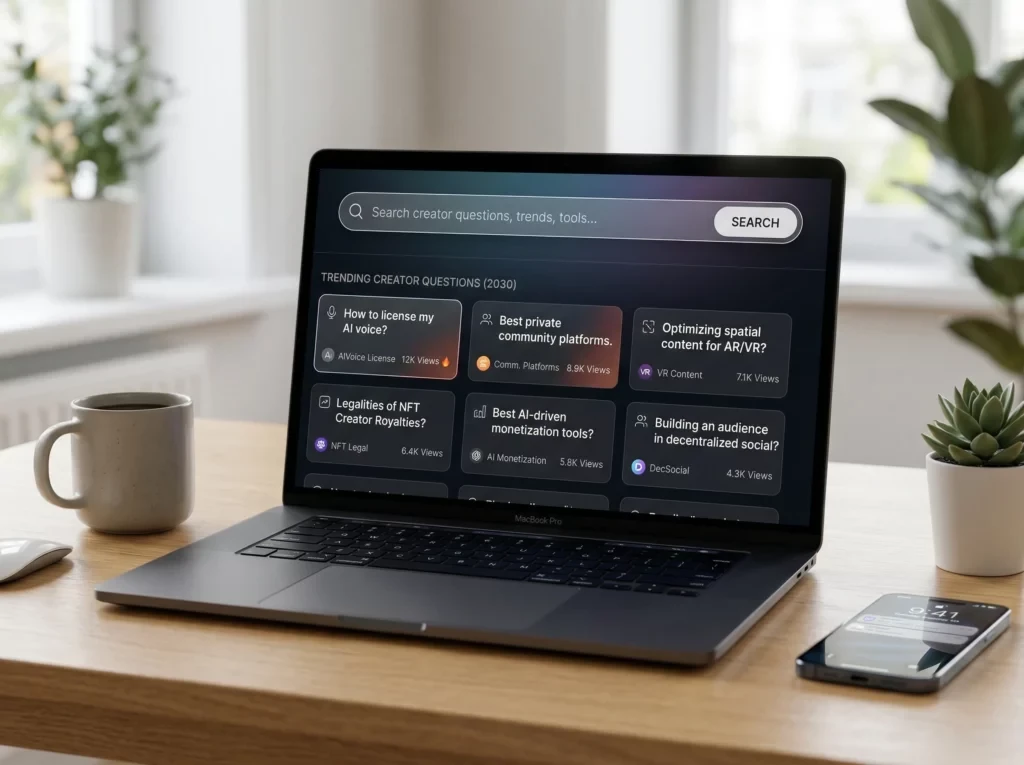
Is the creator economy oversaturated in 2026?
In the middle, yes. Generic lifestyle content faces heavy competition. Niche expertise is a different story: B2B creators, skilled tradespeople and specialist analysts serve audiences that general-interest creators cannot reach. Influence is splitting into many small, focused audiences, and each can support a creator.
How do I protect my content from AI misuse?
Treat your creative work as a business asset. Speak with a qualified lawyer about options for protecting your name and likeness, such as trademark registration. Consider provenance tools, including those developed by the Content Authenticity Initiative, which attach verifiable information to content to show who made it.
Which platform offers the best creator ROI right now?
It depends on what you need the platform to do:
- Discovery: YouTube Shorts and TikTok offer broad reach to new audiences.
- Revenue stability: Substack, Benable, and private Discord or Skool communities let you build an audience you own.
- Future reach: Roblox and Fortnite Creative give access to Gen Alpha, where they already spend time.
Building Something You Own
Chasing every algorithm change is tiring and unreliable. A better plan is to build a business structure, an audience you own, and a brand with a recognisable point of view. Affiliate marketing fits this well because it rewards helping a specific audience with a specific need. If you are ready to start, learn to earn as a creator, one skill at a time.
If your digital twin could do your job ten times faster and never sleep, what is the one human part of your brand that only you could provide?

Very intriguing and eye-opening. AI is definitely here to stay and must be embraced; but will never completely replace what it means to be human. I find it fascinating where it will take us. Love the term, Treatonomics, and what it actually stands for. I don’t think it’s too oversaturated yet, as the market will continue to weed some out and the best will remain. Also, crazy to think that you have to trademark and watermark your whole identity and personality now, just to keep AI from completely taking over and to assure your audience that you are, in fact, a real person.
This breakdown nails the shift from chaotic growth to structured strategy. The point about AI likeness licensing feels especially urgent, creators who ignore ownership and legal frameworks risk losing control of their own identity. I also agree that Treatonomics signals a deeper behavioral change: audiences want participation, not passive consumption. The death of vanity metrics is long overdue; real leverage comes from owned audiences and measurable impact, not inflated reach. What stood out most, though, is the Ultra Human angle. In a sea of automated content, authenticity becomes a competitive moat rather than a cliché. The real challenge is balancing efficiency with humanity without burning out. Creators who treat themselves like businesses while protecting their uniqueness will likely define the next phase of the economy. Clarity, consistency, and trust will matter more than speed going forward.
We cannot stop AI, but our human touch in our articles, I believe would still project autheticity.
AI helps to speed the process of writing and publishing, but checks for errors and originalilty, should be top priority before you hit publish, otherwise, we might be considered a clone or fake.
Private groups, such as email lists or FB groups are really helpful in this time and age of AI.
Good luck!
Marita